

10 weeks
The SUP Total Phosphorus Analyzer is a stable and accurate monitor that keeps a close and precise tracking of the phosphorus level of the targeted liquid. It analyzes the liquid cleaning ability via the chemical reactions of the phosphorus element and other reagents, then responds with data telling if the discharge meets the requirements of regulatory compliance.
This SUP TP Analyzer Liquiline System provides incomparable total phosphorus detection for wastewater treatment plants, drinking water facilities, rivers, pools, lakes, reservoirs, environmental monitoring stations, surface water monitoring, and other water treatment applications.
Low reagent consumption: Less than 3mL reagent consumption in a single measurement
Separation of toxic and non-toxic water: More accurate and stable measurement provided
Double optical path detection: Real-time calculation of absorbance for zero interference in the external environment of the optical system
Alarm of reagent's lack: Automatic detection when rthe eagent sample is insufficient
Automatic compensation of turbidity: Automatic compensation based on the turbidity of the sample to avoid interference
Automatic data upload: Upload key documentation automatically for compliance
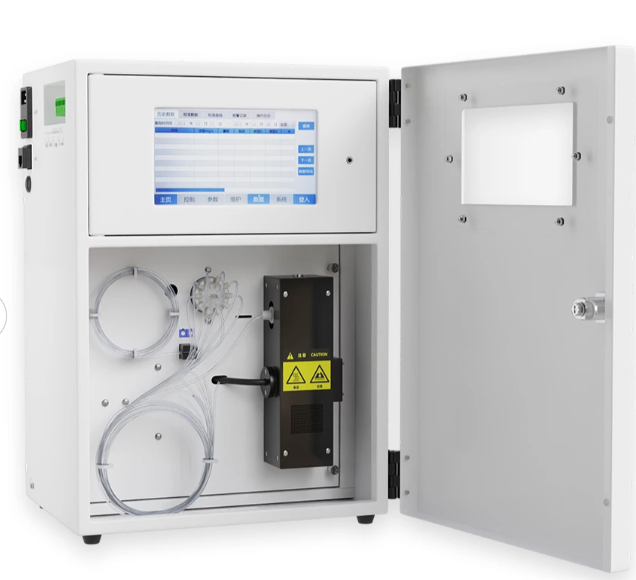
Man-machine interaction: Linux system makes the interaction easy and intuitive with a touchscreen
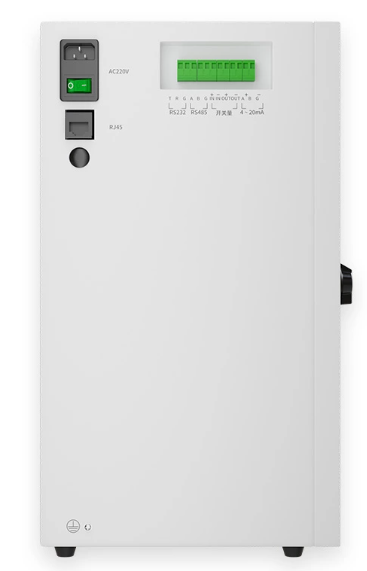
IPv4 Network support: Compatible with IPv6 network and meets the communication requirements of TCP/IP protocol
USB and TF card support: Program upgrade, data export, and data storage upgradeare supported
The SUP TP Analyzer Liquiline System is a top-class total phosphorus analysis device that monitors the concentration of the phosphorus element in the phosphorus removal process, indicating the cleaning degree of the measured liquid and supporting the provision of process documentation to the authorities.
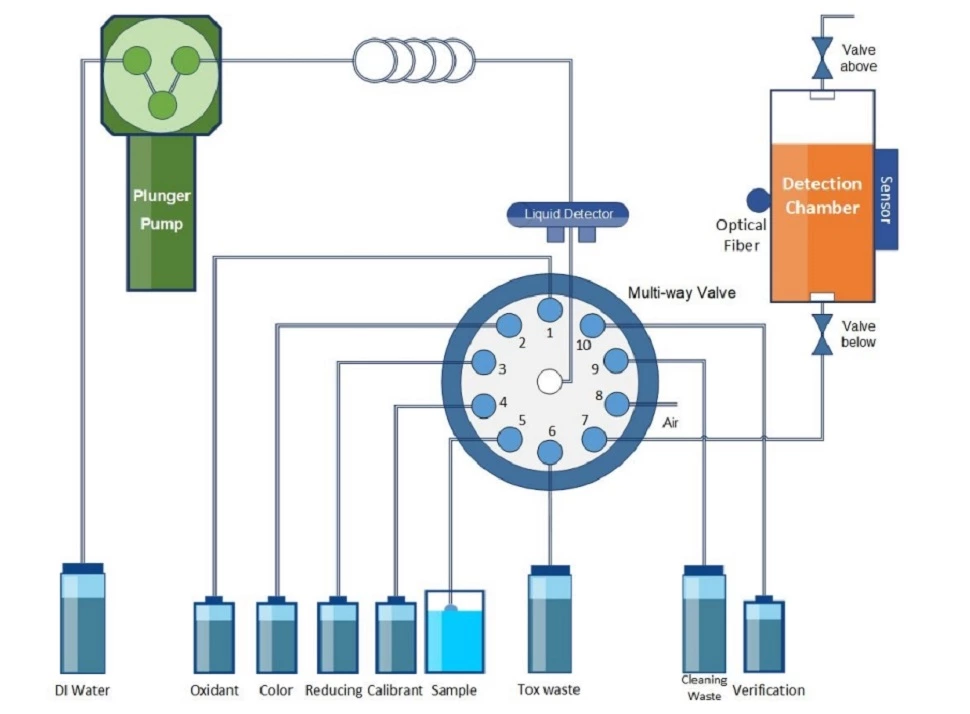
This analyzer uses potassium persulfate to digest the sample at high temperature, and all the phosphorus in the sample is oxidized into orthophosphate. In acidic media, orthophosphate reacts with ammonium molybdate to generate phosphomolybdate heteropoly acid in the presence of antimony salt, which is immediately reduced by ascorbic acid to develop a blue compound, and the instrument can calculate the concentration of total phosphorus in the sample through spectrophotometric conversion.